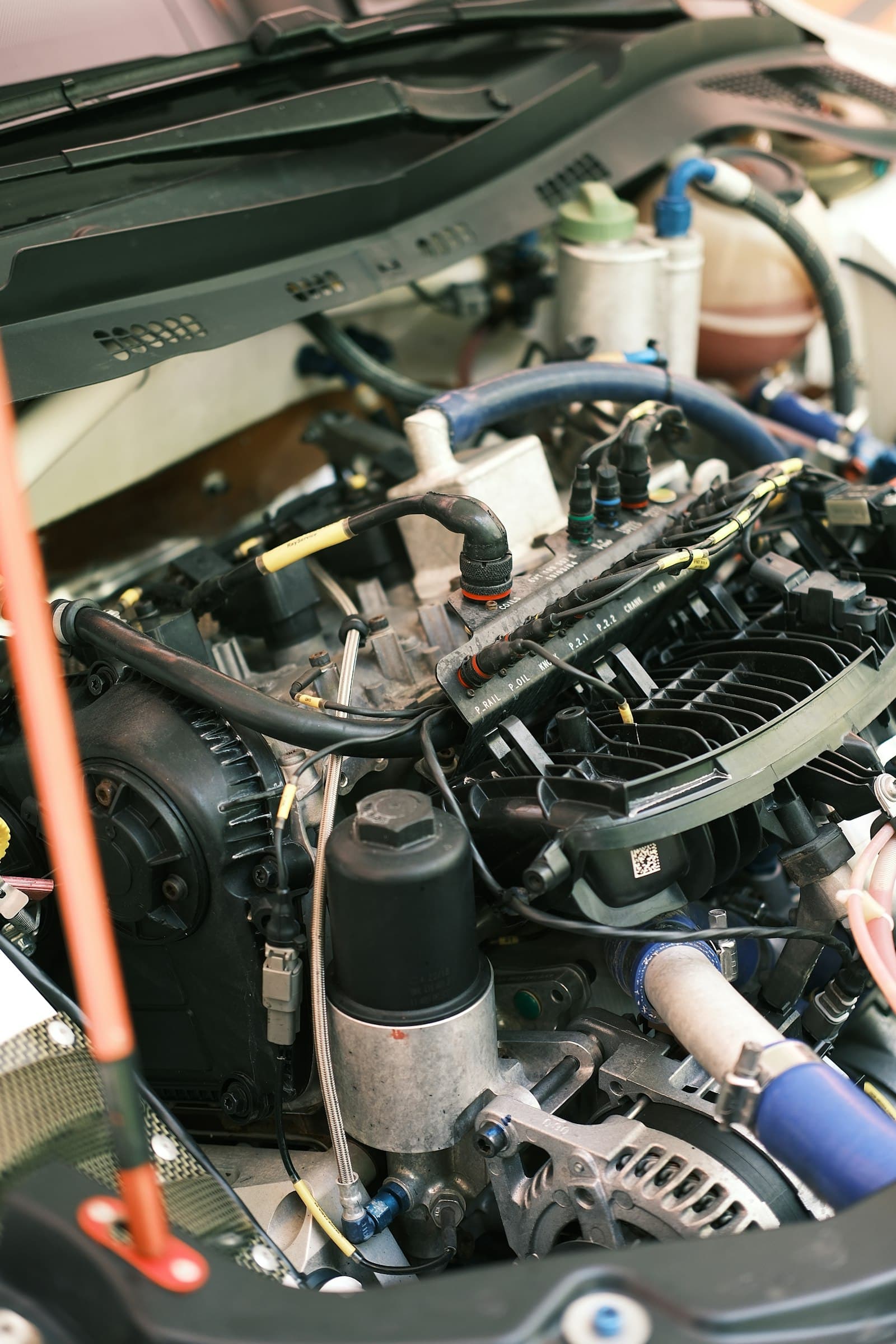
When the check engine light comes on, your vehicle's onboard computer is telling you something specific. The trouble is, the generic code readers sold at parts stores usually only show you part of the picture. A code like P0301 means "misfire on cylinder 1," but it doesn't tell you why — and the why could be anything from a fouled spark plug to a failing coil to a vacuum leak to a problem with the fuel injector. Replacing the wrong part is how a $40 fix turns into a $400 mistake.
Our diagnostic equipment reads manufacturer-specific codes across every module on your vehicle, watches live sensor data, and runs targeted tests for ignition, fuel delivery, emissions, and engine management. That means we can see what your engine is actually doing in real time, isolate the failing component, and verify the fix before you pay. Most check engine light diagnoses take an hour or less of bench time.
Common issues we resolve every week include misfires, oxygen sensor failures, mass airflow sensor problems, EVAP system leaks, catalytic converter inefficiency codes, timing-related faults, and rough idle complaints. We also handle harder problems — intermittent stalls, no-start conditions, electrical gremlins — with the patience and equipment that those problems demand.
If your check engine light is flashing, do not keep driving. A flashing light usually indicates a misfire severe enough to damage the catalytic converter, and that converter is one of the most expensive components on your car. Pull over safely and call us — we'll get you in fast.
Warning signs
- Check engine light on or flashing
- Rough idle or stalling
- Loss of power or poor acceleration
- Decreased fuel economy
- Engine misfires or unusual exhaust
- Difficulty starting
What's included
- Full scan of every onboard computer module
- Live sensor data analysis
- Targeted component testing
- Written explanation of findings and recommendations
- Repair of the root cause, not just code clearing
- Verification drive to confirm the fix held